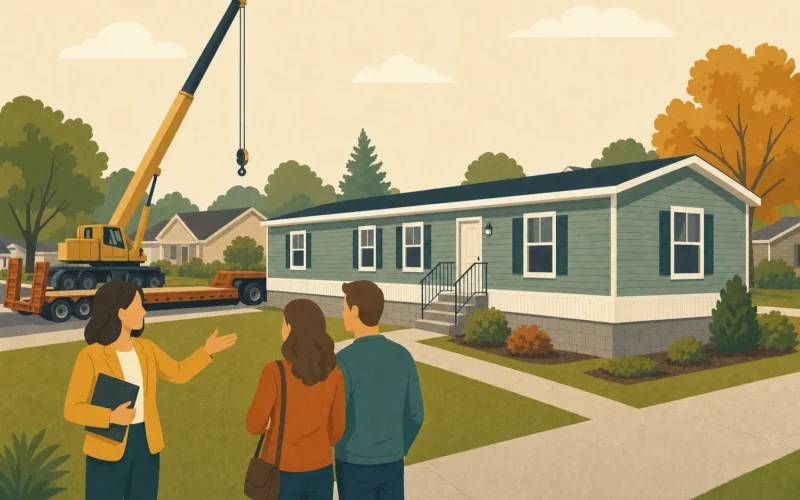


With a high rate mortgage environment, savvy buyers and sellers are utilizing a powerful financing strategy: mortgage assumption. An assumable mortgage allows a buyer to take over the seller’s existing loan, including its original terms, interest rate, and remaining balance. This option can be valuable where mortgage rates are high saving buyers thousands of dollars over the life of their loan.
Whether you’re a first-time homebuyer looking to secure favorable financing or a seller seeking to make your property stand out in a competitive market, understanding mortgage assumption could give you a significant advantage. This comprehensive guide will walk step by step to on how to complete a mortgage assumption.
Understanding Assumable Mortgages: What They Are and How They Work
You may be wondering, what is a mortgage assumption. A mortgage assumption occurs when a home buyer takes over the seller’s existing mortgage instead of obtaining a new loan. The buyer inherits the original terms of the loan, including:
- The current interest rate
- The remaining loan period
- The outstanding balance
For example, if Sarah is selling her home with an FHA loan at 3.25% with 25 years remaining and $250,000 left on the balance, buyer Mike could assume this mortgage and continue making payments under these exact terms rather than applying for a brand-new mortgage at today’s rates.
However, not all mortgages can be assumed. Many loan agreements contain a “due-on-sale” clause, which gives the lender the right to demand full payment of the remaining balance if the property changes hands without their consent.
Types of Mortgage Assumptions
There are two primary types of mortgage assumptions:
- Simple Assumption: The buyer agrees to take over mortgage payments, but the seller remains secondarily liable for the debt. If the buyer defaults, the seller is still responsible. This arrangement is risky for sellers and relatively uncommon outside of family transactions.
- Novation: The more common and preferred approach, novation involves the lender formally releasing the seller from all obligations under the original contract and creating a new agreement with the buyer. This requires lender approval and a thorough underwriting process to ensure the buyer qualifies.
Which Mortgages Are Assumable?
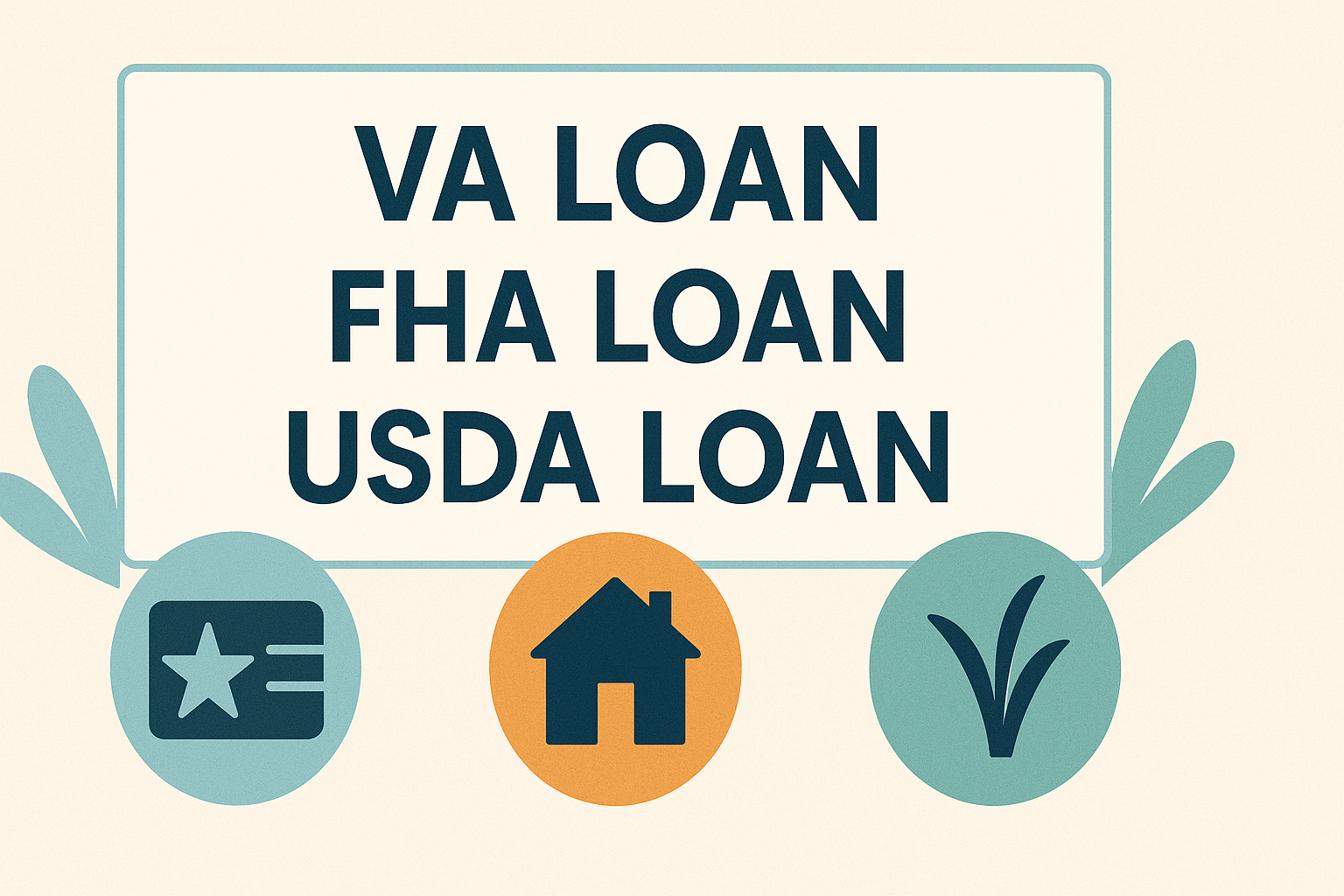
Not all mortgages can be assumed. Here’s a breakdown of which loans typically allow assumption:
Typically Assumable:
- FHA Loans: Generally assumable with lender approval. The buyer must meet FHA requirements and qualify financially.
- VA Loans: Can be assumed with approval from both the lender and regional VA Loan office. Interestingly, the buyer doesn’t need to be a military member, though this affects the seller’s VA entitlement.
- USDA Loans: Assumable if the buyer meets USDA Loan qualifications and receives approval. The buyer must meet income and credit requirements.
Typically Not Assumable:
- Conventional Loans: Most conventional mortgages include “due-on-sale” clauses that prevent assumption.
- Jumbo Loans: These large loans typically cannot be assumed.
Special Cases:
Certain life events like death, divorce, or transfers to family members may allow mortgage assumption even with loans that typically aren’t assumable, thanks to protections. The Garn-St. Germain Depository Institutions Act of 1982 created important protections for certain property transfers, preventing lenders from enforcing due-on-sale clauses in specific situations:
- Transfer to a spouse or children resulting from divorce
- Transfer after the death of a borrower
- Transfer into an inter vivos trust (living trust)
- Transfer where the spouse or children become owners
- Transfer resulting from the borrower’s death where the property is transferred to a relative who will occupy the home
These protections can be crucial when navigating difficult life transitions while maintaining favorable mortgage terms.
How to Handle Mortgage Assumption After a Divorce

Divorce often necessitates difficult decisions about jointly owned property, particularly the family home. The Garn-St. Germain Act provides important protections in divorce situations, generally preventing lenders from enforcing due-on-sale clauses when transferring property interests between spouses.
Example Scenario: After 12 years of marriage, Michael and Jennifer divorced. Their decree awarded Jennifer the family home with its $240,000 remaining mortgage at 3.75%. Although their conventional mortgage had a due-on-sale clause, the lender allowed Jennifer to assume the mortgage due to the divorce exemption in the Garn-St. Germain Act. Jennifer had to provide proof of her $85,000 teaching salary, retirement accounts, and excellent credit score to demonstrate she could handle the $1,400 monthly payments independently.
How to Handle Mortgage Assumption After a Death
When a property owner passes away, mortgage assumption can help surviving family members retain the home without disruption to existing financing.
Example Scenario: When Robert passed away unexpectedly at 52, his wife Sarah was concerned about keeping their family home with its favorable 3.25% VA loan. She contacted their mortgage servicer, provided Robert’s death certificate and their marriage certificate, and initiated the assumption process. Because of the provisions in the Garn-St. Germain Act and the fact that she was a co-borrower, Sarah was able to assume the mortgage without a new credit check or financial qualification. The servicer required minimal paperwork and charged only a $500 processing fee.
The Mortgage Assumption Process: Step by Step
If you’re considering assuming a mortgage, here’s what the process typically looks like:
- Verify Assumability: Contact the lender to confirm if the mortgage is assumable.
- Request an Assumption Package: The buyer requests an assumption application from the current lender.
- Submit Documentation: The buyer provides comprehensive financial information, including:
- Income verification (pay stubs, W-2s)
- Tax returns (usually 2 years)
- Bank statements
- Credit report
- Employment verification
- List of assets and debts
- Underwriting: The lender reviews the buyer’s creditworthiness, income, and debt-to-income ratio.
- Approval: If approved, both parties sign an assumption agreement.
- Closing: Similar to a traditional home purchase, but often with fewer costs.
- Update Records: Transfer insurance policies and property tax information.
Real-Life Example: James and Emma found their dream home listed for $400,000, but current mortgage rates were at 7%. The seller had a VA loan with a 3.5% rate and $300,000 remaining. After confirming the loan was assumable, they applied with the lender, providing their financial documentation. After a 45-day approval process, they paid the seller $100,000 for their equity (the difference between the home value and loan balance) and assumed the existing mortgage, saving approximately $630 per month compared to getting a new loan at current rates.
Understanding Equity and Down Payment for a Mortgage Assumption
One of the most critical aspects of assuming a mortgage is handling the equity—the difference between the home’s current value and the remaining loan balance.
When assuming a mortgage, the buyer is responsible for:
- Taking over the remaining loan balance from the seller
- Paying the seller directly for their equity in the home
For example, if a home is worth $350,000 and has a remaining mortgage balance of $200,000, the seller has $150,000 in equity. The buyer would need to pay the seller this $150,000, which effectively functions as the down payment.
This equity payment can create challenges for buyers who don’t have substantial cash reserves. Some buyers address this by:
- Obtaining a second mortgage to cover the equity payment
- Using personal savings
- Liquidating investments
- Borrowing from retirement accounts (with potential tax implications)
- Requesting seller financing for part of the equity
Benefits of Assuming a Mortgage
For Buyers:
- Lower Interest Rate: Perhaps the biggest advantage, especially when current market rates are higher than the rate on the assumable mortgage.
- Reduced Closing Costs: While assumption fees apply, total closing costs are typically lower than with a new mortgage.
- No Appraisal Required: In some cases, particularly with government-backed loans, a new appraisal may not be necessary.
- Simplified Process: Sometimes faster and easier than applying for a new mortgage (though still requiring financial qualification).
Example: Consider a $300,000 home with a $250,000 assumable mortgage at 3.5% versus getting a new mortgage at 6.5%. The monthly principal and interest payment on the assumed mortgage would be about $1,123, while a new mortgage would cost approximately $1,580—a monthly savings of $457, or nearly $5,500 per year.
For Sellers:
- Increased Property Appeal: An assumable low-interest mortgage can make your property much more attractive to buyers.
- Potential for Faster Sale: The financial advantages to buyers can lead to quicker offers.
- Possible Higher Sale Price: Some buyers may be willing to pay premium prices for homes with assumable low-rate mortgages.
- Release from Liability: With proper novation, sellers are freed from future financial responsibility.
Disadvantages of a Mortgage Assumption
For Buyers:
- Large Cash Requirement: Paying for the seller’s equity often requires substantial cash.
- Qualification Hurdles: Buyers still need to meet the lender’s financial and credit standards.
- Limited Options: Only certain properties have assumable mortgages.
- Assumption Fees: While typically lower than standard closing costs, these fees still add to the transaction cost.
- Existing Loan Terms: The buyer must accept the remaining term of the loan rather than starting fresh with a 30-year mortgage.
For Sellers:
- Potential Lingering Liability: Without proper release through novation, sellers could remain secondarily liable.
- Longer Process: Assumption can take 60-90 days or more to complete.
- Limited Buyer Pool: Not all buyers will have the cash needed for the equity payment.
Special Considerations & Legal Aspects
Mortgage assumptions involve complex legal and financial considerations, particularly in special circumstances:
- Divorce: When one spouse is awarded the home, they may be allowed to assume the mortgage if they qualify independently.
- Death: Surviving spouses or heirs might have the right to assume the mortgage without qualification under certain circumstances.
- Family Transfers: Special rules may apply when transferring property within families.
The Garn-St. Germain Act provides important protections in these scenarios, often preventing lenders from enforcing due-on-sale clauses. However, these situations still require careful navigation.
Legal Protection Tip: Always consult with a real estate attorney when pursuing a mortgage assumption, especially in complex situations. They can help review assumption agreements, negotiate with lenders, and ensure proper release of liability for sellers.
Review Mortgage Options with a Loan Officer
FAQ Section for a Mortgage Assumption
What does “assumable” mean?
An assumable mortgage is one that can be legally transferred from the current borrower to a new borrower, with all the original terms intact.
How do I know if a mortgage is assumable?
Government-backed loans (FHA, VA, USDA) are generally assumable, while conventional loans typically are not. Check the loan documents or contact the lender directly to confirm.
How does an assumable loan differ from getting a new mortgage?
With an assumable loan, you take over the seller’s existing mortgage terms, including the interest rate and remaining balance. This differs from a new mortgage where you establish fresh terms based on current market rates.
Can I assume a mortgage with bad credit?
While assumption requirements are sometimes less stringent than those for new mortgages, buyers still need to meet the lender’s credit and income requirements. Government-backed loans typically require a credit score of at least 580-620.
Do I need a down payment to assume a mortgage?
Yes, but not in the traditional sense. Rather than paying the lender a down payment, you’ll pay the seller directly for their equity in the home, which can be substantial.
How long does the assumption process take?
The process typically takes 45-90 days, sometimes longer depending on the lender and loan type.
Can a family member assume my mortgage?
Yes, with the lender’s consent. In fact, transfers between family members often have special provisions, especially in cases of divorce or inheritance.
What are the closing costs for a mortgage assumption?
Closing costs typically include an assumption fee (approximately $500-$1,000), title insurance, recording fees, and possibly an appraisal. Total costs are usually lower than with a new mortgage.
Can the seller still be liable after I assume their mortgage?
With a simple assumption, yes. With a proper novation, no. This highlights the importance of sellers ensuring they receive a full release of liability.
Is assuming a mortgage worth it?
It often depends on the interest rate difference and your financial situation. When current rates are significantly higher than the assumable rate, assumption can save tens of thousands of dollars over the life of the loan.
Conclusion: Is Mortgage Assumption Right for You?
Taking over someone else’s mortgage can save you money, especially when today’s interest rates are higher than the original loan’s rate. For sellers, offering an assumable mortgage might help your home sell faster.
But mortgage assumption isn’t for everyone. You’ll need:
- Cash to pay the seller for their home equity
- Good credit to qualify with the lender
- Patience for the approval process
If you’re selling, make sure you get a full release from the loan obligation so you’re not responsible if the buyer stops making payments.
Before deciding, talk to a mortgage professional and possibly a real estate attorney. They can help you understand if this option makes sense for your situation.
Bottom line: Mortgage assumption can be a money-saving opportunity in the right circumstances, but know what you’re getting into before you commit.